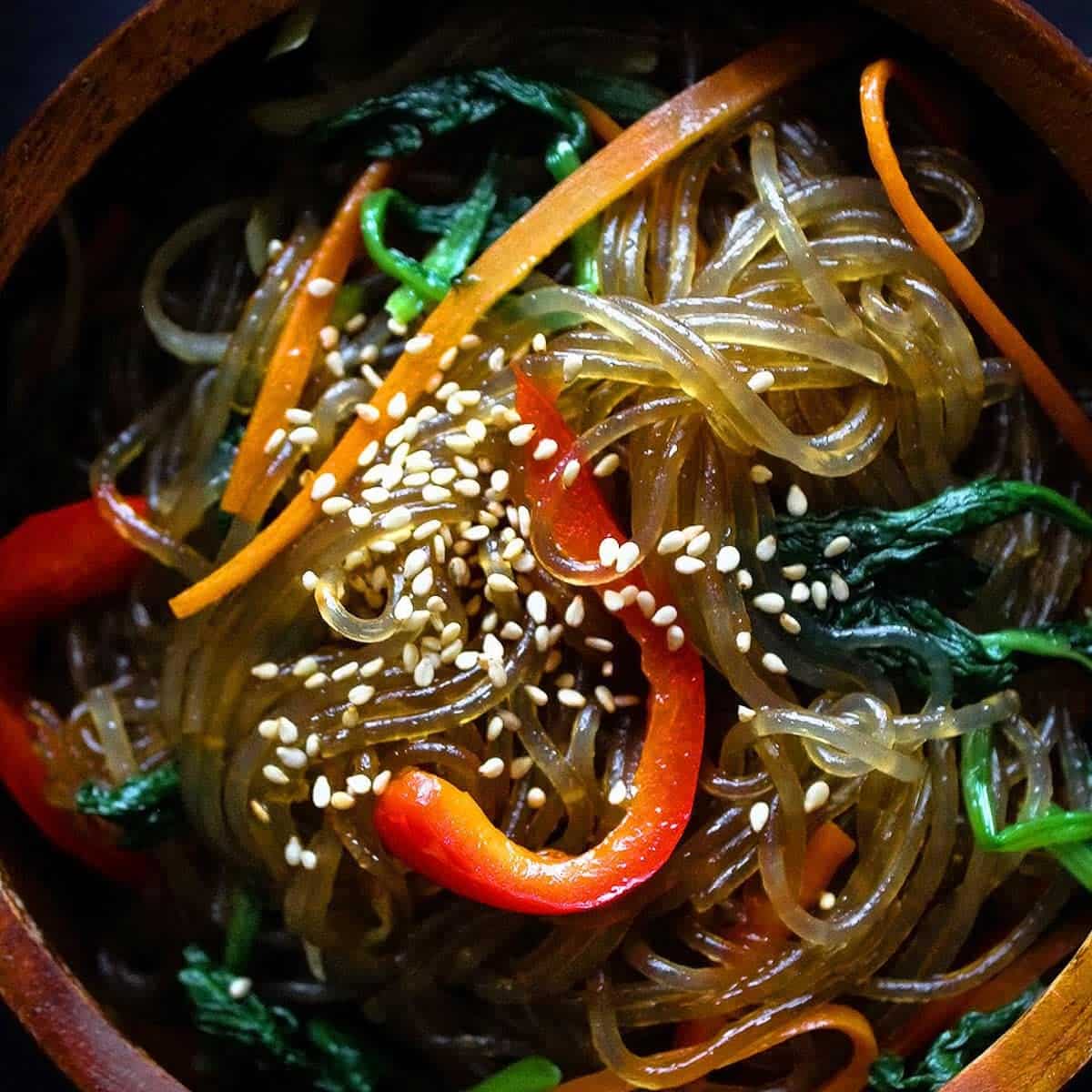
Japchae Secrets: Unlocking the Chewy, Sweet & Savory Delight of Korean Glass Noodles
Few dishes capture the heart and palate quite like Japchae (often spelled chap chae or jap chae). This iconic Korean stir-fried dish, famous for its incredibly chewy Korean glass noodles and harmonious blend of sweet and savory flavors, has earned a rightful place as a global favorite. Whether you've savored its delights at a bustling Korean BBQ, as a cherished banchan (side dish), or are just discovering its magic, Japchae promises an unforgettable culinary experience.
What is it about this vibrant dish that makes it so utterly irresistible? From its shimmering, translucent noodles to its medley of crisp vegetables and perfectly balanced sauce, Japchae is a masterpiece of texture, color, and taste. It's a dish that effortlessly transitions from a hearty main course to a crowd-pleasing side, delicious hot, chilled, or at room temperature. Dive with us into the secrets of creating authentic Japchae at home, ensuring those perfectly springy noodles and the quintessential sweet & savory profile that defines this Korean classic.
The Undeniable Allure of Korean Glass Noodles (Dangmyeon)
At the very heart of any superb Japchae lies its star ingredient: the Korean glass noodles. Known in Korea as dangmyeon (당면), these transparent, often slightly greyish noodles are made from sweet potato starch. Unlike wheat-based noodles, dangmyeon possesses a unique characteristic that sets Japchae apart:
- Unrivaled Chewiness: The moment you taste Japchae, you're greeted by a delightful chewiness that's both satisfying and addictive. This springy texture is the hallmark of well-prepared dangmyeon, distinguishing it from other noodle dishes. They resist becoming soggy or mushy, holding their integrity beautifully even after being stir-fried and sauced.
- Incredible Absorbency: Sweet potato starch noodles are exceptional at absorbing flavors. This means every strand soaks up the rich, savory, and slightly sweet Japchae sauce, ensuring a burst of flavor in every bite.
- Visual Appeal: Their translucent quality adds an elegant, almost ethereal look to the dish, allowing the vibrant colors of the accompanying vegetables to truly shine through.
This distinct texture is often compared to the satisfying chew of tteokbokki, making Japchae a textural adventure as much as it is a flavor one. Finding authentic Korean glass noodles is easier than ever; look for them in the Asian aisle of larger supermarkets or at your local Asian grocery store.
Crafting the Perfect Sweet & Savory Symphony
Beyond the noodles, the magic of Japchae truly comes alive in its balanced flavor profile – a masterful dance between sweetness and umami, underpinned by aromatic elements. This signature taste is achieved through a carefully crafted sauce and the combination of fresh ingredients.
The Signature Japchae Sauce
The sweet and savory balance is fundamental to authentic Japchae. The sauce typically consists of:
- Soy Sauce: Provides the deep umami and savory base.
- Sugar or Sweetener: Balances the saltiness of the soy sauce and contributes to the slightly caramelized flavor. A touch of honey or corn syrup can also be used for depth.
- Toasted Sesame Oil: Absolutely crucial for its nutty aroma and depth of flavor. Do not skip this! It infuses the entire dish with that distinctive Korean essence.
- Minced Garlic: For a pungent, aromatic kick.
- Black Pepper: A subtle background warmth.
The beauty of this sauce is how it marries with the fresh ingredients. As the noodles and vegetables are stir-fried, they absorb this incredible flavor, transforming simple components into a complex, satisfying dish.
A Rainbow of Fresh Vegetables
Japchae isn't just about the noodles; it's a celebration of colorful, crisp vegetables that add texture, nutrients, and visual appeal. Common additions include:
- Spinach: Blanched and squeezed dry, adding a subtle earthiness.
- Carrots: Julienne-cut for sweetness and crunch.
- Onions: Sliced thin, providing a pungent and sweet base.
- Mushrooms: Shiitake or oyster mushrooms lend an earthy, umami depth.
- Bell Peppers: Red, yellow, or green for vibrant color and a fresh, crisp bite.
A key technique for perfect Japchae is often stir-frying each vegetable separately. This allows them to cook to their ideal texture, retain their vibrant color, and be seasoned individually before being combined with the noodles. This meticulous approach is part of the art of Mastering Easy Japchae: Your Guide to Korean Glass Noodles, ensuring every element shines.
The "No-Boil" Noodle Secret for Flawlessly Chewy Japchae
One of the most valuable insights for achieving perfectly chewy Korean glass noodles without the worry of overcooking comes from a streamlined preparation method: the "no-boil" technique. Traditionally, dangmyeon might be boiled, rinsed, and then stir-fried. However, this innovative approach simplifies the process and enhances flavor absorption:
- Soak, Don't Boil: Instead of boiling, the dried Korean glass noodles are first soaked in warm or hot water until pliable. They won't be fully cooked at this stage, but will be soft enough to handle.
- Cook in the Sauce: The magic happens during the stir-frying. As the noodles are added to the pan with the vegetables and the prepared sweet and savory sauce (which often contains a little extra liquid), they continue to cook through.
- Enhanced Flavor Absorption: By finishing the cooking process directly in the sauce, the dangmyeon absorbs even more of those delicious flavors. This results in noodles that are not only perfectly springy and chewy but also deeply infused with the characteristic sweet and savory notes of Japchae. This method largely eliminates the risk of soggy noodles and ensures every strand is a flavor bomb.
This technique is a game-changer, especially when preparing Japchae for a crowd or when you want to minimize steps. It's an effortless way to create delicious No-Boil Japchae: Effortless Korean Glass Noodles for Parties.
Optional Protein Power-Ups
While a vegetarian chap chae is incredibly satisfying on its own, adding meat is a popular variation. Thinly sliced beef (often marinated bulgogi-style), chicken, or pork can be stir-fried separately and then incorporated into the dish at the very end. This adds another layer of richness and makes Japchae an even heartier main course. For vegetarian options, pan-fried tofu or tempeh can be an excellent addition.
Japchae: Your Go-To Dish for Every Occasion
The versatility of Japchae is one of its greatest strengths. It's a dish that truly shines in any setting:
- A Party Favorite: If you're looking for a dish to bring to a potluck, party, or BBQ, look no further. Japchae is always a hit. Its ability to be served at various temperatures and its vibrant appearance make it a showstopper. Plus, it's easy to make ahead and reheats beautifully in the microwave, retaining its fantastic flavors and textures.
- The Perfect Banchan: As a traditional Korean side dish, Japchae complements almost any main course, from grilled meats like galbi (short ribs) to spicy stews.
- A Satisfying Main Course: Serve a generous portion of Japchae over a bed of steamed rice, perhaps with some teriyaki chicken or thinly sliced beef, and you have a complete, fulfilling meal that will satisfy even the hungriest diners.
My own family quickly adopted homemade Japchae as a new favorite, with my middle son declaring it his top noodle dish. The joy of recreating this classic at home, especially with the simplified "no-boil" method, is incredibly rewarding.
Tips for Your Best Japchae Yet
- Mise en Place is Key: Because stir-frying is quick, have all your vegetables sliced, protein prepped, and sauce mixed before you start cooking.
- Cook Vegetables Separately: This helps maintain their individual textures and prevents overcooking. You can use the same pan, just wipe it clean between batches.
- Don't Be Shy with Sesame Oil: Toasted sesame oil is fundamental. A drizzle at the end before serving can enhance the aroma.
- Taste and Adjust: The sweet and savory balance is personal. Taste your sauce and adjust sugar or soy sauce to your preference.
- Don't Overcrowd the Pan: Cook in batches if necessary to ensure even cooking and proper stir-frying rather than steaming.
- Mixing Method: Once all components are cooked, gently combine them with the noodles and sauce, using tongs to ensure every strand is coated without breaking them.
Conclusion
Japchae, with its signature chewy Korean glass noodles and exquisite sweet & savory sauce, is more than just a dish; it's a culinary experience. Whether you're a long-time enthusiast of chap chae or new to the world of Korean cuisine, mastering this dish at home is incredibly rewarding. With the secrets of dangmyeon, the balance of the sauce, and the simplicity of the "no-boil" method, you can effortlessly create a vibrant, flavorful, and wonderfully textured meal that will impress everyone at your table. So, gather your ingredients and get ready to stir-fry your way to an authentic taste of Korea!
