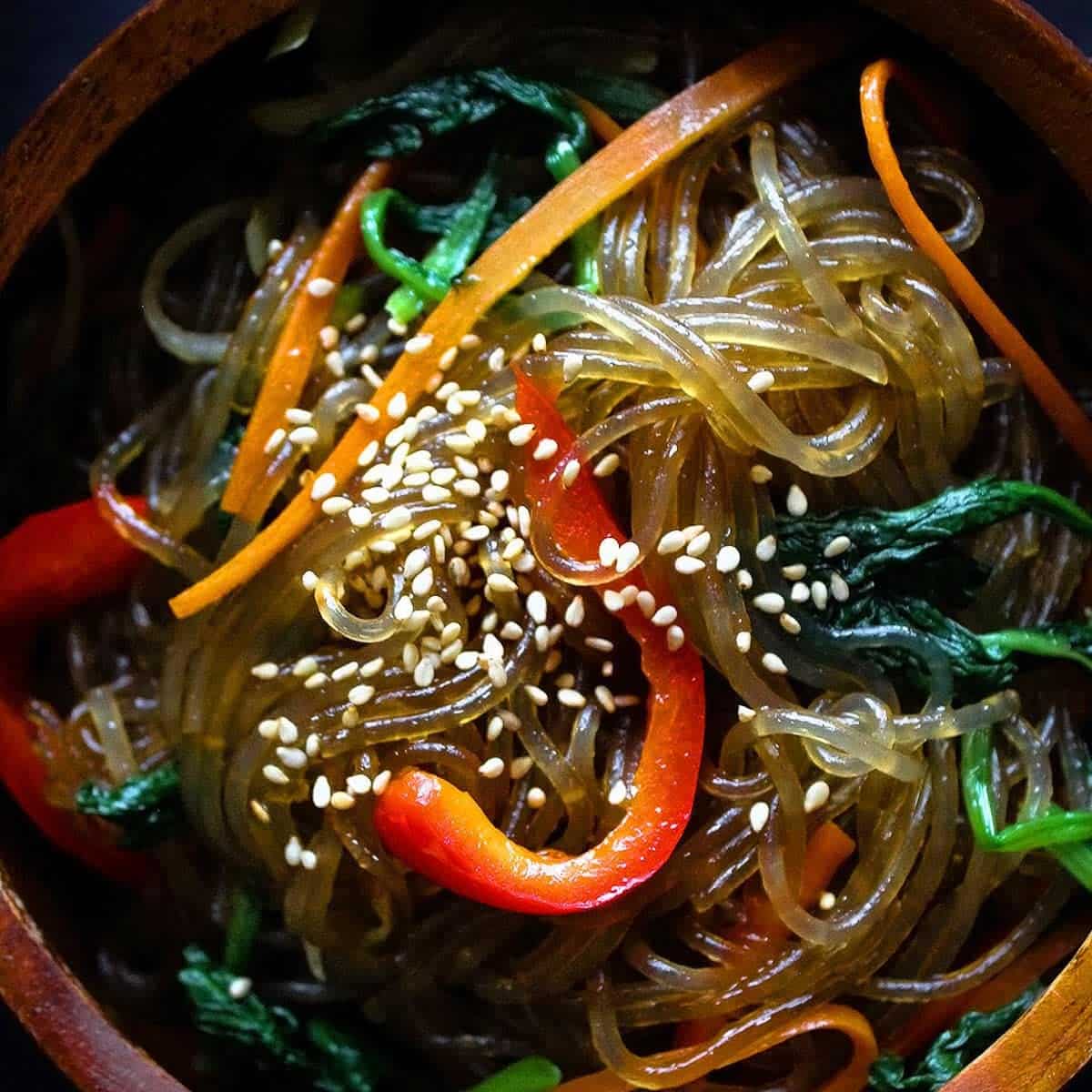
Step into the vibrant world of Korean cuisine, and you’ll quickly encounter a dish that captivates with its colorful presentation, satisfying textures, and irresistibly balanced flavors: Japchae. Often spelled Chap Chae, this beloved staple of Korean glass noodles is far more than just a side dish; it's a culinary experience that blends tender vegetables, chewy noodles, and a signature sweet and savory sauce into a harmonious stir-fry.
For many, the mention of Korean glass noodles immediately brings to mind fond memories. Perhaps, like some, your first taste of Japchae was a revelation – a dish so compelling you found yourself returning to it time and again. It’s no wonder this versatile dish, pronounced 'chop chay,' is a perennial favorite, whether served as a vibrant banchan (side dish) or a satisfying main course. The allure lies in its unique combination: the distinct chewiness of the noodles, the crisp-tender freshness of an array of vegetables, and that perfect, slightly sticky sauce that ties everything together. While traditionally seen as a dish that requires careful preparation, we're here to show you how mastering easy Japchae at home is not only achievable but incredibly rewarding.
What Makes Japchae So Irresistible?
The magic of Japchae truly lies in its components, each playing a crucial role in creating a dish that's visually stunning and bursting with flavor. It’s a testament to Korean culinary artistry, showcasing how simple ingredients can come together to form something truly extraordinary.
The Magic of Korean Glass Noodles (Dangmyeon)
At the heart of any authentic Japchae recipe are the noodles themselves. These aren't your typical wheat or rice noodles; we're talking about *dangmyeon* – translucent, springy, and incredibly satisfying Korean glass noodles made from sweet potato starch. Their unique texture is what sets Japchae apart. They're wonderfully chewy, holding their shape and resilience even after being stir-fried, allowing them to absorb the rich sauce without becoming mushy. This distinct springiness is key to the dish's appeal and contributes significantly to its enjoyable mouthfeel. Finding these noodles is easier than ever; while an Asian grocery store will offer a wide selection, many mainstream supermarkets now carry them, making your journey to homemade Chap Chae much simpler.
A Symphony of Fresh Vegetables
Beyond the noodles, Japchae is a celebration of color and texture, thanks to its vibrant medley of vegetables. Typically, you'll find finely julienned carrots, sliced onions, spinach, mushrooms (shiitake or oyster are common), and bell peppers (often red or green for visual contrast). Each vegetable is usually stir-fried separately or in small batches to maintain its individual texture and flavor, then combined at the end. This meticulous preparation ensures that the carrots retain a slight crunch, the spinach is tender-crisp, and the mushrooms offer an earthy depth. This technique, though seemingly an extra step, is crucial for achieving the perfect harmony of textures and preventing any single vegetable from becoming overcooked or bland.
The Perfect Balance: Sweet, Savory, Umami Sauce
The soul of any fantastic Chap Chae is its sauce. It's a delicate balance of sweet, savory, and umami notes that coats every strand of noodle and every piece of vegetable. Traditional Japchae sauce typically features soy sauce, sugar (or a natural sweetener like honey/maple syrup), garlic, and a generous splash of toasted sesame oil. Sometimes a touch of mirin or rice wine vinegar is added for extra depth. This sweet and savory combination is what makes Japchae Korean glass noodles so addictive. The sauce isn't overly thick or heavy; instead, it's designed to lightly glaze the ingredients, enhancing their natural flavors without overpowering them. It's this sticky, flavorful coating that makes leftovers just as delicious, if not more so, as the flavors meld further.
Demystifying the "Easy" in Easy Japchae
While the traditional method of making Japchae involves several separate steps, including boiling noodles and stir-frying vegetables individually, modern recipes have streamlined the process without compromising authenticity or flavor. This makes homemade Chap Chae more accessible than ever, even for busy weeknights or casual gatherings.
The No-Boil Noodle Secret (and why it works)
One of the most significant innovations in making Japchae easy is the "no-boil" method for the glass noodles. Instead of boiling the *dangmyeon* separately, many simplified recipes recommend soaking the noodles in hot water for a period and then allowing them to finish cooking directly in the stir-fry sauce. This technique offers several advantages:
- Perfect Texture: By avoiding direct boiling, you significantly reduce the risk of overcooking the noodles, ensuring they remain perfectly springy and chewy.
- Maximum Flavor Absorption: When the noodles cook directly in the sauce, they absorb more of its delicious flavors, resulting in a deeper, more integrated taste experience. This makes every bite incredibly satisfying.
- Streamlined Process: It eliminates a step, reducing prep time and the number of dishes you need to clean.
This ingenious method is a game-changer for home cooks looking to recreate authentic Korean glass noodles stir fry without the fuss. For more in-depth techniques on achieving that perfect chewiness and maximizing flavor absorption, check out our guide on Japchae Secrets: Chewy Korean Glass Noodles, Sweet & Savory.
Streamlining Your Prep: Wok Wisdom
While some traditional recipes call for stir-frying each vegetable separately, a practical approach for home cooking involves grouping similar vegetables or those with similar cooking times. For example, onions and carrots can often be cooked together, followed by mushrooms and bell peppers. Spinach, with its quick cooking time, is typically added last. Using a large wok or a wide, deep skillet allows you to manage these batches efficiently. The key is to avoid overcrowding the pan, which can steam the vegetables instead of stir-frying them, leading to a less vibrant texture. Preparing all your ingredients (chopping vegetables, mixing sauce) *before* you start cooking, known as *mise en place*, will also drastically speed up the actual cooking process, making your easy Japchae truly effortless. For a complete guide to making this dish a breeze for any occasion, don't miss our article on No-Boil Japchae: Effortless Korean Glass Noodles for Parties.
Crafting Your Own Japchae Masterpiece: Tips & Tricks
Ready to dive in and create your own batch of delicious Korean glass noodles? Here are some practical tips to ensure your Japchae is a resounding success:
Ingredient Sourcing: Finding Your Dangmyeon
As mentioned, *dangmyeon* (sweet potato starch noodles) are widely available. Look for them in the Asian aisle of larger supermarkets or, for a wider selection and potentially better value, visit your local Asian market. The packaging will clearly state "glass noodles" or "sweet potato noodles." Don't substitute with cellophane noodles (mung bean starch noodles) or rice vermicelli, as their texture is distinctly different and won't give you the authentic Chap Chae experience.
Vegetable Prep: Uniformity is Key
For even cooking and beautiful presentation, aim to cut your vegetables into similar sizes and shapes, typically thin strips or julienne. This also ensures that each bite of Japchae offers a balanced mix of textures. Remember to squeeze out excess water from cooked spinach before adding it to the stir-fry to prevent a watery dish.
Flavor Customization: Proteins and Beyond
While our focus is on an easy vegetarian version of Japchae, it’s incredibly adaptable. You can easily incorporate protein to make it a more substantial meal:
- Beef: Thinly sliced bulgogi-style beef (marinated or unmarinated) is a classic addition. Stir-fry it first and set aside before cooking vegetables.
- Chicken or Pork: Thin strips of chicken breast, thigh, or pork loin work beautifully. Marinate briefly in a little soy sauce and sesame oil before stir-frying.
- Tofu: For a plant-based protein boost, pan-fry or air-fry cubes of firm tofu until golden and crispy.
Feel free to experiment with other vegetables too! Sliced cabbage, snow peas, or broccoli florets can add new dimensions of flavor and crunch to your Korean glass noodles stir fry.
Serving, Storing, and Enjoying Your Japchae
One of the many beauties of Japchae Korean glass noodles is its incredible versatility in how it can be served and stored. It’s a dish that truly shines in any setting.
From Banchan to Main Dish
Traditionally, Japchae is served as a *banchan*, one of the small, flavorful side dishes that accompany a Korean meal. However, its substantial nature, especially when combined with protein, allows it to easily transition into a satisfying main course. Serve it alongside grilled meats like teriyaki chicken or Korean short ribs, or simply enjoy a large bowl on its own. It's equally delicious served warm, at room temperature, or even chilled, making it perfect for picnics or packed lunches.
Make Ahead Marvel: Storage & Reheating
Japchae is an ideal make-ahead dish, perfect for potlucks, parties, or simply meal prepping for the week. Its flavors tend to meld and deepen overnight, often tasting even better the next day. Store leftover Chap Chae in an airtight container in the refrigerator for up to 3-4 days. To reheat, a quick stir-fry in a pan over medium heat, perhaps with a tiny splash of water or sesame oil to loosen the noodles, works perfectly. You can also microwave it, stirring halfway through, until heated through. The noodles retain their excellent chewy texture even after reheating, a testament to their robust nature.
Mastering easy Japchae is a culinary journey that rewards you with a deeply satisfying and incredibly versatile dish. From the unique chewiness of the *dangmyeon* to the vibrant array of vegetables and the irresistible sweet-savory sauce, every element combines to create a memorable experience. Whether you're a seasoned chef or a kitchen novice, embracing the "no-boil" method and simple prep techniques will empower you to create authentic and delicious Korean glass noodles at home. So gather your ingredients, fire up your stove, and prepare to fall in love with one of Korea's most cherished culinary treasures. Your taste buds, and your family, will thank you!
